

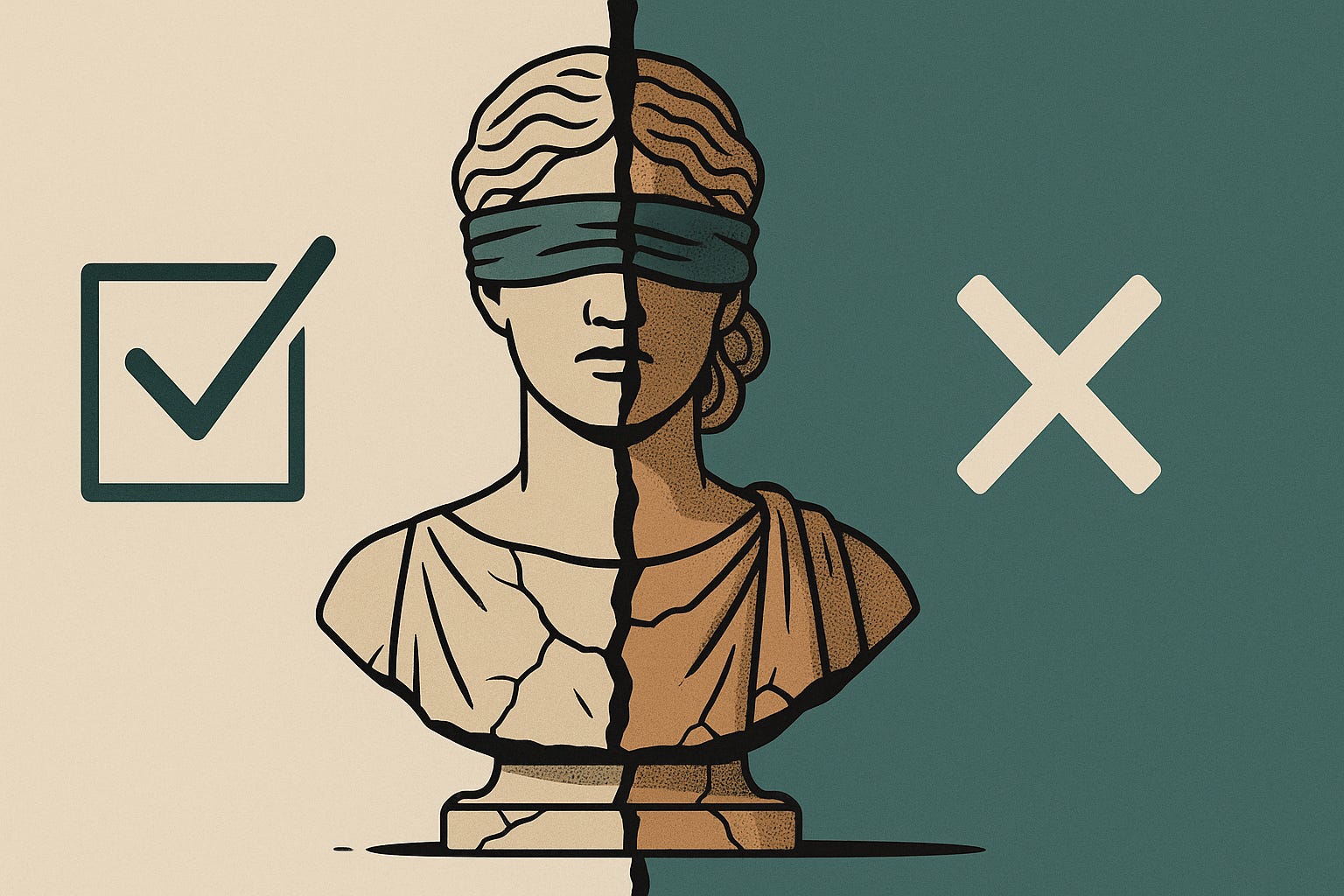
Greg Borowiec at Procurement Leader Lab used to think mastering contracts and supplier management was enough. Then AI started writing RFPs. Automation took over PO processing. The technical skills he spent years building became table stakes.
The realization arrived suddenly. The future of procurement is not about doing the same tasks faster. It is about doing entirely different work.
The profession is shifting from execution to strategy. From cost control to value creation. From managing transactions to shaping business outcomes. The skill that matters most going forward is strategic thinking.
Not just understanding supply markets but anticipating how geopolitical shifts, sustainability mandates, and technology disruptions will reshape entire supply chains before they hit. Not just negotiating contracts but influencing cross-functional decisions that impact margin, speed to market, and competitive positioning. Not just reporting savings but translating procurement impact into boardroom language: risk mitigation, innovation access, and long-term resilience.
The buyers who thrive in 2026 will not be the ones who can process faster. They will be the ones who can think bigger.
The Automation Reality
Samuel Mutuku summarized the shift bluntly. “In 2026, procurement pros won’t just push POs, they’ll push strategy. If you can’t think three moves ahead, AI will gladly think for you.”
Borowiec agreed. “The people with their head in the sand about AI are going to be left behind. It’s not that it’s going to take our jobs but it will change what we do or how we do it.”
The distinction matters. AI will not eliminate procurement. It will eliminate procurement professionals who cannot evolve beyond tactical execution.
Procurement captured the transformation. “Procurement is evolving from buying stuff to building advantage. And the people who thrive will be the ones who can connect dots others don’t even see.”
Zaina Kadah emphasized the new focus. “The profession is no longer about savings, it’s about shaping direction, mitigating risk, and unlocking innovation.”
Borowiec pushed the urgency. “More people need to move out of the tactical role and into the new era of procurement.”
But movement requires capability. Strategic thinking cannot be downloaded. It develops through practice, failure, and reflection. Professionals who spent careers optimizing processes face a brutal learning curve.
The Time Travel Problem
Kevin Wood at WorldVue described procurement as part Nostradamus and part voodoo. “I have told people for decades I am a time traveler because all the decisions I make are based on things that have not happened yet. I am anticipating and gauging markets minimum 6 months to 2 years in advance. My trouble is coming back to present day and trying to convince non-time travelers about the future.”
The metaphor captures the challenge. Strategic procurement requires thinking in future states while operating in present realities. You must anticipate market shifts before data confirms them. You must position supply chains for scenarios that have not occurred. You must convince stakeholders to act on forecasts rather than facts.
This cognitive mode is fundamentally different from tactical execution. Tactical work follows defined processes. Strategic work invents new approaches.
Andrei Vortolomei at Procure Partners identified when strategy actually begins. “As the operational layers get automated, the differentiator becomes how procurement frames problems in the first place. Strategy starts long before the negotiation table.”
Borowiec confirmed the timeline. “Sometimes people see the end result and think I did it in 1 discussion but it was a strategy I implemented 6, 12, 24 months ago.”
This long time horizon separates strategic from tactical thinking. Tactical professionals solve today’s problems. Strategic professionals prevent tomorrow’s crises.
The Alignment Challenge
Stephane Morel at a procurement transformation role outlined the function’s evolution. “It’s about understanding what we need to become as a function in alignment with the business priorities. Procurement will have augmented buyers who will buy more efficiently, effectively and faster thanks to data, tech, AI, buying channels and orchestration. I also want to see a smaller team of Nexus Buyers who will be the ones bringing the most capable suppliers to support the most key strategic business projects.”
He posed the questions that define strategic value. Is the company or core business project highly innovation-driven? Is it about compliance to new regulations? Is it a matter of process efficiency? If it’s about margin recovery, how will that be achieved? What are the key cost-optimization initiatives? Is it about cash generation? Or is it about sales growth in new countries?
These questions require understanding business strategy at a depth most procurement professionals never reach. They require seeing procurement not as a support function but as a strategic lever.
Carter Johnson at a procurement transformation role identified a prerequisite. “The biggest one I’ve seen impact companies I have worked for is breaking down barriers between departments so those cross-functional teams are actually functional. Too often is procurement the last person to find out about something. We can’t be strategic if we are always reacting to what everything else has done without us.”
The observation exposes a vicious cycle. Procurement lacks strategic influence, so it gets excluded from early decisions. Exclusion forces reactive behavior. Reactive behavior reinforces perception that procurement is tactical. The cycle continues.
Breaking it requires forcing your way into strategic conversations before invitations arrive. It requires building relationships that create early visibility. It requires proving value before crisis creates opportunity.
The Urgent Versus Important Trap
Stuart Tye noted that managing relationships, aligning procurement strategy with business strategy, telling the story with impact, influencing direction, and demonstrating value creation were always the objectives. “Perhaps these just tend to get lost in the transactional focus on the urgent more so than the important.”
Borowiec agreed. “That’s a good point you make. We all strive to do these things but many times we get stuck in this cycle of dealing with urgent issues that are very transactional and cannot get past them.”
This is the trap that kills strategic development. Urgent work always crowds out important work. Urgent supplier issues demand immediate attention. Urgent PO corrections cannot wait. Urgent stakeholder requests interrupt planning.
Important work, strategic thinking, relationship building, capability development, gets postponed. Tomorrow becomes next week. Next week becomes next month. Years pass. Careers stall.
The solution is not working harder. The solution is protecting time for strategic work with the same rigor applied to urgent work. Block calendar time. Decline meetings. Say no to requests. Create space for thinking.
Most procurement professionals will not do this. They will continue optimizing urgent work until automation eliminates the need.
The Communication Gap
Oliver Bishop at ProcureScape proposed stripping procurement back to basics. Who are we? What is our purpose? Then ask the business for their opinion. What is procurement? What is procurement’s purpose?
He expected a significant gap between self-perception and external perception. “Now ask yourself what can we do about this gap between who we are and what the business thinks we are. This is a super long winded way of me saying the biggest skill procurement needs to improve upon is communication. Forget getting technical, if you cannot communicate effectively you will be replaced by AI or something else.”
Borowiec agreed. “Communication is key and I really do believe there is a significant gap between what we think we do and what the business thinks we do.”
Ernie M. at FM Procurement consultancy went further. “Everyone’s chasing strategic thinking. But here’s the truth: most strategies die because no one can sell them. Procurement doesn’t just need better thinkers in 2026, it needs better storytellers. If you can’t make the CFO care, or help the CEO feel the risk behind your data, your strategy’s dead on arrival. AI can crunch numbers. Only humans can create conviction. The future isn’t about thinking strategically. It’s about making strategy impossible to ignore.”
Borowiec called it a very interesting perspective. “The best strategy in the world doesn’t matter if you can’t tell the story and get the buy in.”
Andrea Holmes emphasized data storytelling as the critical skill. “In 2026, procurement professionals need to master data storytelling, the ability to turn complex analytics into clear, actionable insights that influence decisions. It’s no longer enough to present numbers, you have to connect them to business impact. Those who can translate data into strategy will stay relevant and lead the transformation.”
Borowiec confirmed the shift. “That’s becoming very clear. It’s not enough to say you saved $100k anymore.”
This represents a fundamental change in what procurement delivers. Savings numbers are outputs. Business impact is outcomes. Leaders care about outcomes.
The Human Skills
John Wilson identified skills that AI cannot replace. “The skills that are dying are relational. At some point, the standouts in procurement will be those with the ability to manage relationships, influence others through interpersonal communication, conversation, and those with the ability to negotiate. These 3 skills are dark arts and cannot be replaced by AI. Artificial intelligence has its place but the real art of procurement is innately human, especially in environments that are heavily audited requiring compliance and in those environments where the stakes are highest. AI might bring baseline efficiency but man or woman will effectively influence the bottom line of P&L statements.”
The response was emotional. “That brought a tear to my eye. Seriously summed it up well and agree whole heartedly.”
Khaled Abukwaik added emotional intelligence to the requirements. “In addition to strategic thinking, emotional intelligence will play a key role especially as procurement becomes more about collaboration, influence and leadership than just process execution.”
Andrew Neuschaefer at NBN Powder Packaging agreed. “The tools have changed, but the ability to think strategically and build relationships will always matter most.”
Borowiec acknowledged the concern. “My concern is around a lot of buyers who truly are tactical and at risk if they can’t make that shift.”
The risk is real. Tactical buyers without relationship skills face double jeopardy. Automation eliminates their technical work. Lack of soft skills prevents strategic migration.
The Obsolescence Question
Jyothi SKuppaiah insisted AI has no role in procurement. “It’s completely human touch. Buyer’s collaboration with the seller.”
Borowiec offered a measured correction. “It will have some role but I believe more on the tactical piece with purchasing.”
The denial is understandable but dangerous. AI already writes RFPs. It already processes POs. It already analyzes spend data. Claiming AI has no role ignores reality.
Kenneth Spencer raised the measurement question. “I believe there will still be a KPI or two that will measure transaction speed to help justify AI implementation costs.”
Borowiec agreed with the caveat. “That’s a good point. Which I am fine with as long as it’s measuring the AI and not me.”
This distinction defines survival. If your performance gets measured on transaction speed, you compete with AI. You lose. If your performance gets measured on strategic impact, you complement AI. You win.
Mark Righton at SCM highlighted a strategic concern that automation cannot address. “Passage of information regarding obsolescence and guaranteed not to be counterfeit is important. It’s ok placing an order for an item that is reasonable priced, but then to find out you have not been informed the item has entered the obsolescence cycle too late or the item is counterfeit is not good. So to reinforce your observation, why is the part or services cheaper? What are the probable consequences down the road?”
Borowiec shared the frustration. “Love it when a supplier tells you they are discontinuing a product next week. No time to plan or prep.”
This type of forward-looking risk management requires strategic thinking, market intelligence, and supplier relationships. It cannot be automated. It creates value that tactical execution misses.
The Skills Gap
Carolina V. described procurement’s identity crisis in Switzerland. Now for contracts management they want only ex-lawyers with strong legal background. For strategic sourcing and category management, only ex-engineers. “These two have anything to do with commercial clauses negotiation, global supply chain issues, prices analysis of long term business cases and processes improvement.”
She highlighted the disconnect between different organizational systems. Sales and product management have their own systems. MRP forecasts in ERP systems stay out of date because sales forecasts are always ahead of production and demand planning. Last minute product changes and new engineering ideas create constant disruption.
Borowiec acknowledged the challenge. “When you give power to the wrong people lacking experience in a certain area and you add AI to this soon they will all think they can do the job of doctors and maybe discover new Moon and new planets. They should all calm down a bit. We need to respect all professions and our expertise accordingly and work together for a better future not against each others, not dissolving positions, not excluding professionals cause others are better.”
The concern is valid. Automation creates overconfidence. Leaders assume technology eliminates need for expertise. They dissolve experienced roles and wonder why problems multiply.
The Path Forward
Stop optimizing processes. Start shaping strategy. This is not motivational rhetoric. This is survival guidance.
Procurement professionals face a binary choice. Evolve into strategic contributors who shape business outcomes, or remain tactical executors whose work gets automated.
The skills required for evolution are clear. Strategic thinking that anticipates market shifts. Communication that translates analysis into action. Relationship building that creates early involvement. Emotional intelligence that navigates organizational complexity. Storytelling that makes strategy impossible to ignore.
These skills take time to develop. Start now. Protect time for strategic work. Force your way into early conversations. Build relationships before you need them. Learn to communicate in boardroom language. Practice translating data into business impact.
The professionals who make this transition will thrive. Those who wait will discover their technical skills became obsolete while they were still mastering them.
The strategic divide is here. Which side are you on?
Join the conversation on strategic procurement development, AI impact, and career evolution at Chain.NET, where supply chain professionals share frameworks for strategic thinking, debate automation’s impact, and connect at events focused on building capabilities that machines cannot replace. The future is strategic.