

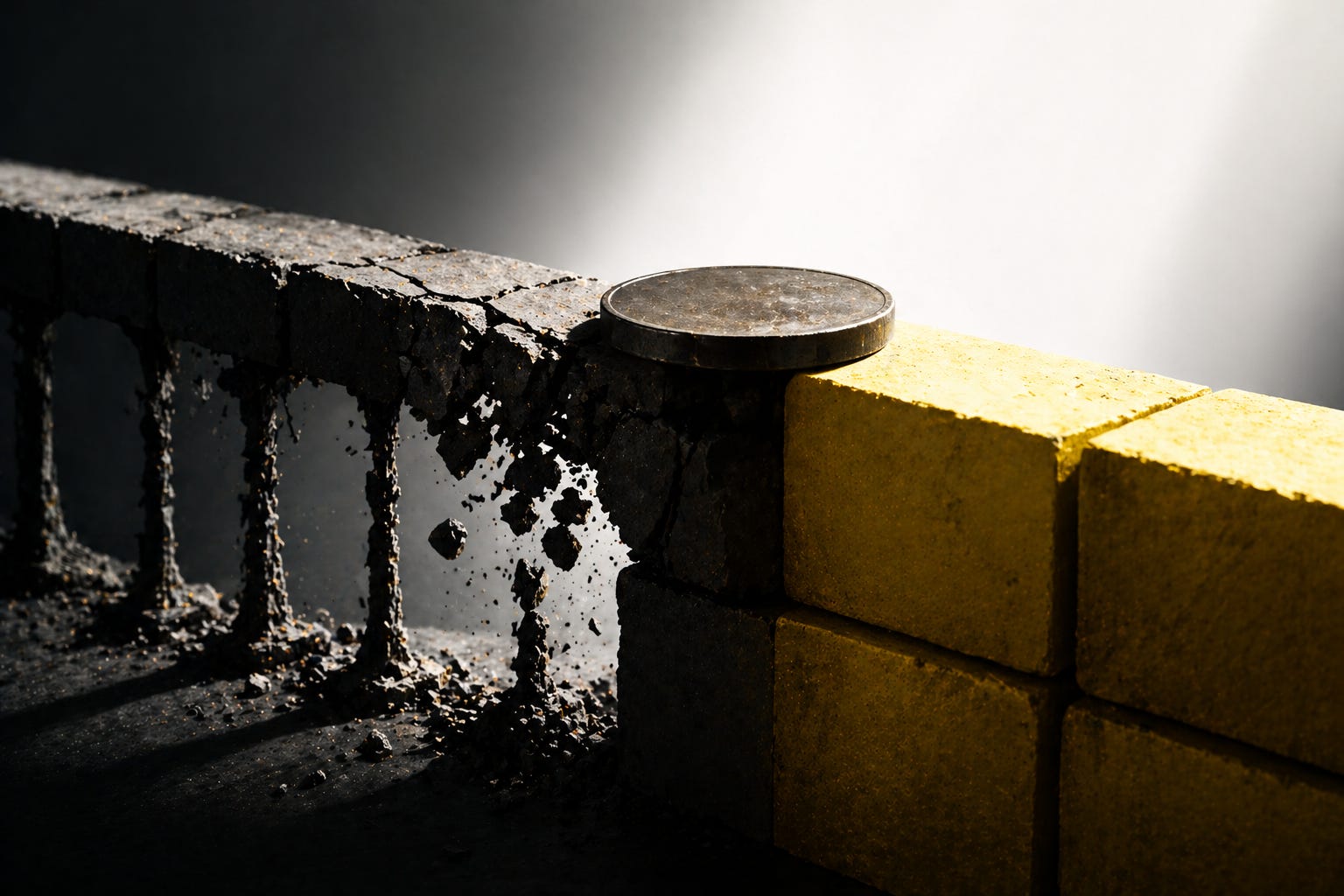
Most supplier decisions still come down to one number: the price on the offer. That number is real. But it is also the first layer of a much deeper cost structure most procurement teams never quantify, never charge back, and never present to finance. The result is predictable. Organizations think they bought cheaper. In reality, they bought fragility and paid for it in fragments scattered across the P&L.
The debate gained traction recently from a Director of Procurement working on what he calls Value Hacking, a method for mapping the five layers of cost that traditional Total Cost of Ownership (TCO) analysis tends to ignore. Layer 1 is visible costs (price, transport, customs, storage). Layers 2 and 3 cover risk, firefighting, urgent orders, air freight, and line stops. Layers 4 and 5 cover internal friction (hours lost managing incidents) and lock-in (the inability to pivot when markets shift). The post drew procurement directors, supply chain transformation leaders, IT category managers, packaging buyers, and economists who pushed the framework into operational territory.
Bought Fragility, Paid in Fragments
The most cited line on the thread came from Tomasz Tyras, a senior supply chain and S&OP architect. “The most expensive supplier decision is often the one that looked cheapest in the tender file.” His diagnosis went further. “Price is easy to compare because it is visible. Instability, escalation, lost planner hours, expediting, and reduced room to pivot usually sit somewhere else in the P&L, so they get treated as ‘operational noise’ instead of procurement cost.”
